 →
→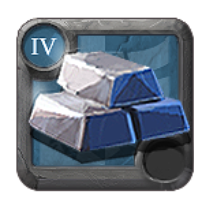
Ore → Metal Bars
Refine at a Smelter. The best Royal city for this resource is Thetford.

Refining is one of the safest and most consistent ways to make silver in Albion Online. This guide explains the cities, Resource Return Rate, Focus, profit math and how I would start from a small budget.
→ →
→
 →
→
 →
→
 →
→
Yes, when the numbers make sense before you buy. Refine in the correct city, include the value of returned resources, check the station and market fees, then make sure the finished material still leaves you a profit.
Use current market data, your city, Focus, station fee and buy or sell method before committing your silver.
Refining turns raw resources into the materials that crafters actually use. You buy or gather the raw resource, refine it, then sell the finished material.
→Refine at a Smelter. The best Royal city for this resource is Thetford.
→Refine at a Weaver. The best Royal city for this resource is Lymhurst.
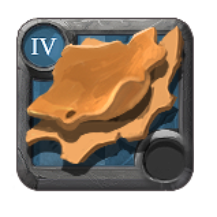
→Refine at a Tanner. The best Royal city for this resource is Martlock.
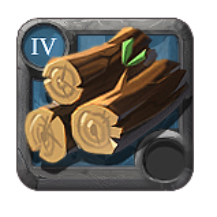
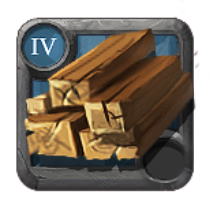
→Refine at a Lumbermill. The best Royal city for this resource is Fort Sterling.
→Refine at a Stonemason. The best Royal city for this resource is Bridgewatch.
When you refine, part of the eligible materials can come back to you. Those returned materials lower your real cost, which is why Resource Return Rate matters so much.
Use the city with the refining specialty for your resource. This is the first thing I would fix before worrying about anything else.
A normal bonus city refine is roughly 36.7% Resource Return Rate before Focus, assuming the usual city production bonuses.
Using Focus can push the same bonus city refine to roughly 54% returned before any extra daily refining bonus.
Each resource has one Royal city with its main refining specialty. In normal city refining, this is where I would take the resource.
Ore → Metal Bars
Fiber → Cloth
Hide → Leather
Wood → Planks
Stone → Stone Blocks
The important number is not the raw market price. It is your real cost after returned resources, lower tier inputs, station fees and market fees.
Higher tier refining normally needs the current raw resource plus a refined resource from the tier below. Both are part of your cost.
If the station gives resources back, that lowers the effective material cost of the refine. Do not ignore those returns.
Instant buys, buy orders, sell orders and instant sells can give very different results. Match the calculation to what you are actually planning to do.
The free Refining Calculator is for checking a refine you already have in mind. The Refining Wizard is for researching and ranking opportunities from your budget and preferences.
You do not need a huge bankroll. The goal at the start is learning the loop without trapping all of your silver in slow orders.
They are cheaper and easier to move than expensive high tier enchanted materials.
Learn their normal prices and build specialization instead of spreading yourself everywhere immediately.
Buy a manageable amount, refine it and see how quickly the finished material actually sells.
Once your buying, transport and selling are smooth, increase the volume instead of jumping straight into riskier materials.
They can be, but a bonus day is not automatic free profit. Other players react to the same bonus, so the market moves around it.
Try to build your stock before everyone starts buying for the refining bonus.
Use the extra production bonus to lower your effective cost.
You do not have to dump everything immediately after the bonus creates extra supply.
The cheapest raw resource is not always in the city where you want to refine. Transporting between Royal cities can improve the margin, but only when the extra profit is worth your time.
A good Ox, the matching gathering backpack and carry weight food can make heavy resource transport much less annoying.
Look at where you buy, where you refine and where you sell. A better sell price can be useless if the extra transport is not worth it.
Market data can be old. Confirm important prices in game before putting a large amount of silver into one refining run.
Once one small loop works, scaling is mostly about volume, liquidity and not destroying your own margin.
When your capital is small, keeping your silver moving is more useful than waiting forever for the perfect price.
A huge calculated profit is not very useful if the material barely sells. Make sure the market can actually absorb your batch.
Large buy orders can push your own material cost up. Increase volume gradually and pay attention to how much supply is available.
Once one line starts limiting your buying or selling volume, add another resource instead of forcing more silver through the same market.
Yes, but not every refine is profitable at every moment. The profit comes from buying materials at a good price, using the correct refining city, getting resources back through Resource Return Rate and selling the refined material for enough to cover every cost.
Metal Bars in Thetford, Cloth in Lymhurst, Leather in Martlock, Planks in Fort Sterling and Stone Blocks in Bridgewatch. These cities have the main refining specialty for those resources.
No. Some refines can already be profitable without Focus. Focus increases your Resource Return Rate and can improve the margin a lot, so it is usually best saved for refines where it creates strong value.
Tier 4 and Tier 5 flat materials are a simple place to start. They are cheaper than high tier enchanted materials and usually have enough market activity to let you learn without locking too much silver into one trade.
Not always. Bonus days improve your return, but everyone sees the same bonus. Raw prices can rise and refined prices can fall. The stronger play is often buying before the bonus, refining during it and selling when demand is better.
Use the Refining Calculator for a refine you already want to test, or let the Refining Wizard research profitable options for you.